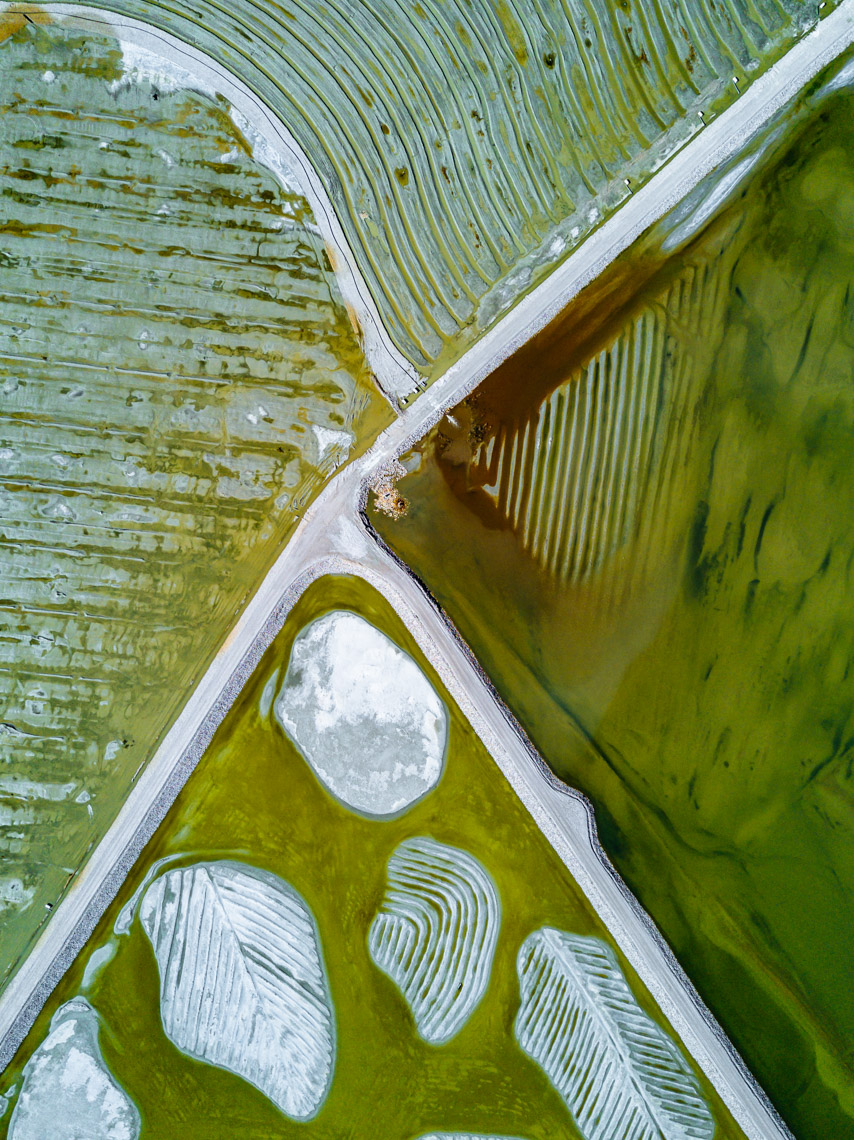
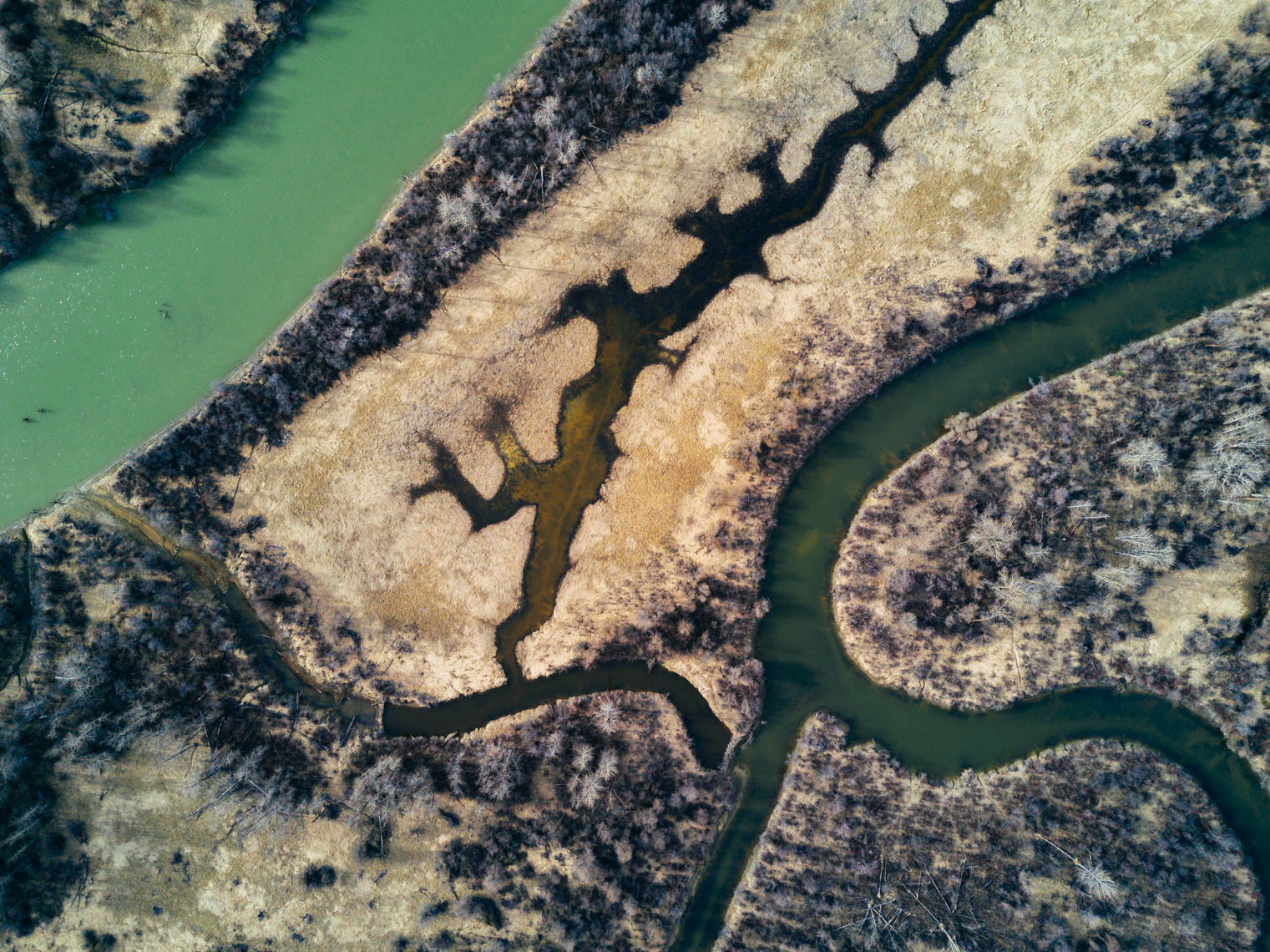
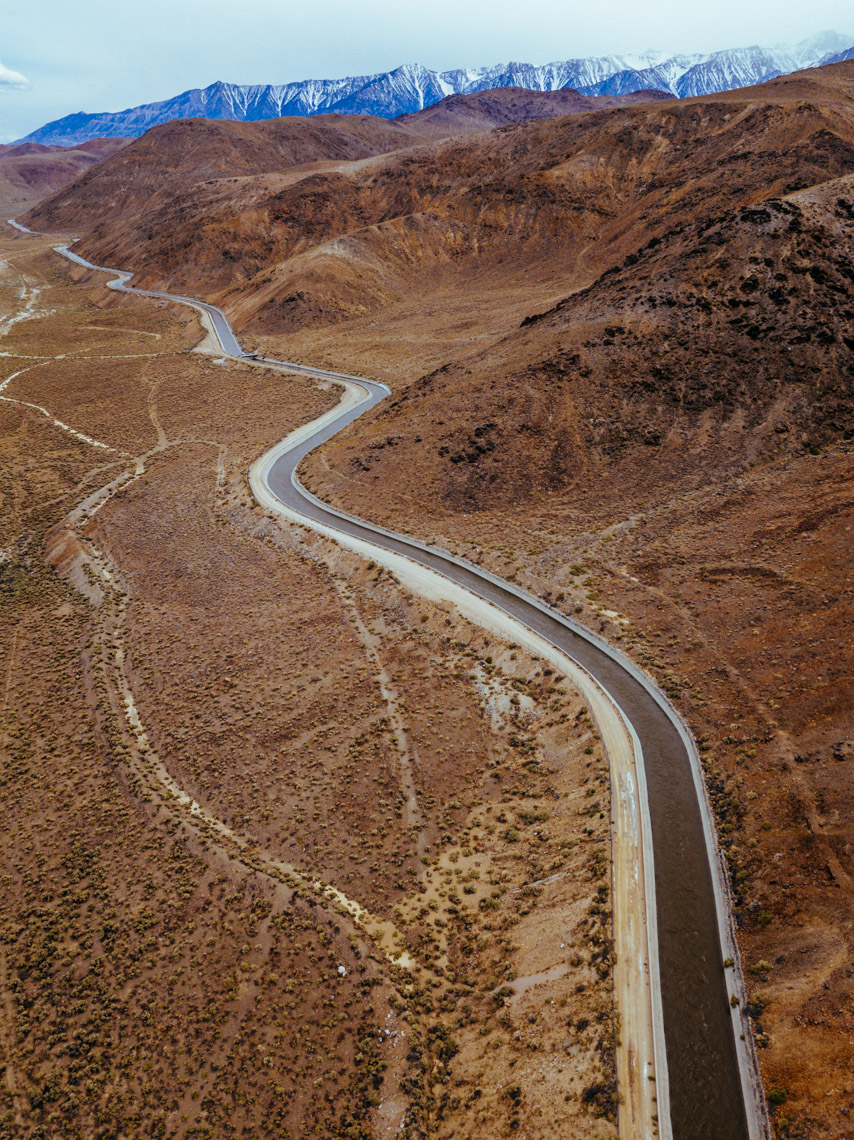
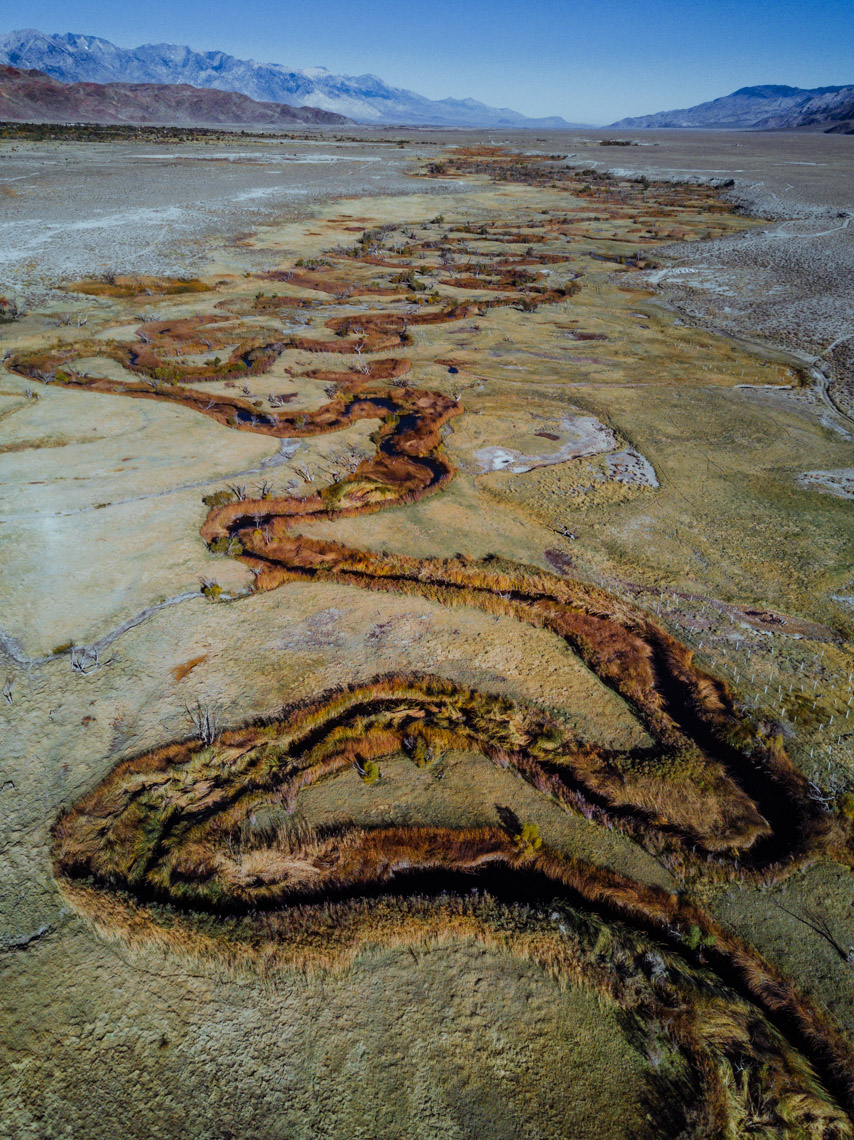
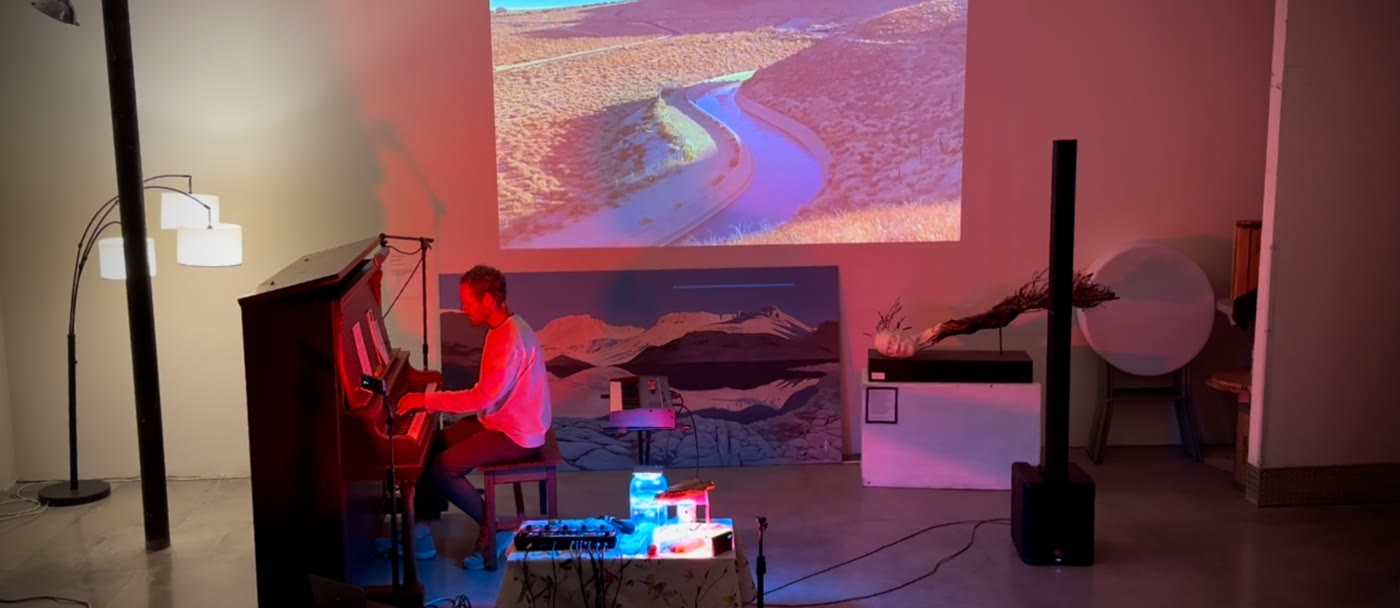
In 2024 I was a Bureau of Land Management Artist in Residence in California’s Eastern Sierra. As a Los Angeles native, I wanted to explore the system that nurtured the city of my birth: the Los Angeles Aqueduct.
Turning on a tap in Los Angeles draws on snow that falls hundreds of miles north in the Eastern Sierra. That water has come at a cost. For over a century, the aqueduct has profoundly affected the Owens Valley. Verdant farms and ranchland withered, wetlands and meadows disappeared, and Owens Lake, once more than 100 square miles, was drained almost entirely. Later expansions included an extension up to Mono Lake, groundwater pumping, and a second aqueduct for greater volume.
Ironically, LADWP’s ownership of the land also protected much of the valley from development, preserving some of the most dramatic landscapes in the American West. In recent decades, grassroots advocacy and legal action have led to partial restoration of the Owens River, dust mitigation at Owens Lake, and protection for Mono Lake farther up the watershed, all vital stops for millions of migratory birds along the Pacific Flyway. LADWP’s plans for wastewater recycling may further reduce the city’s dependence on imported water.
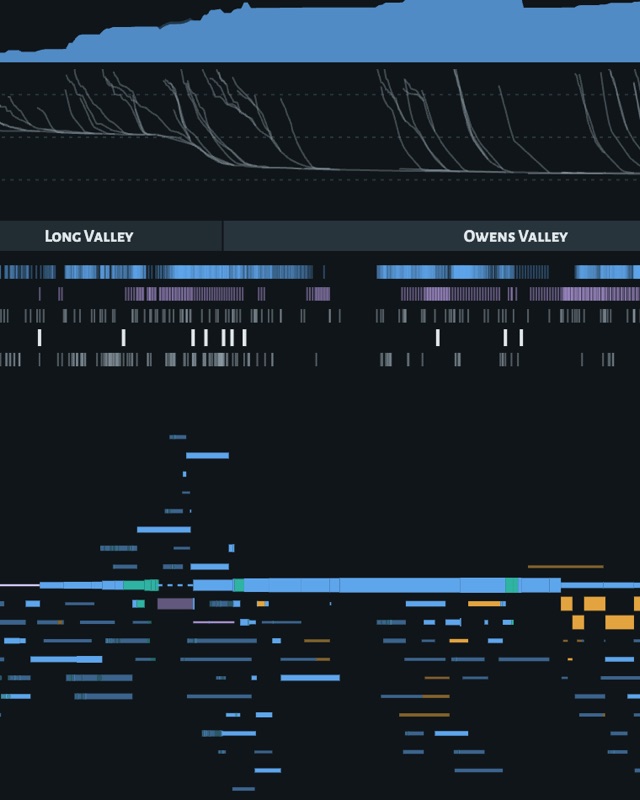
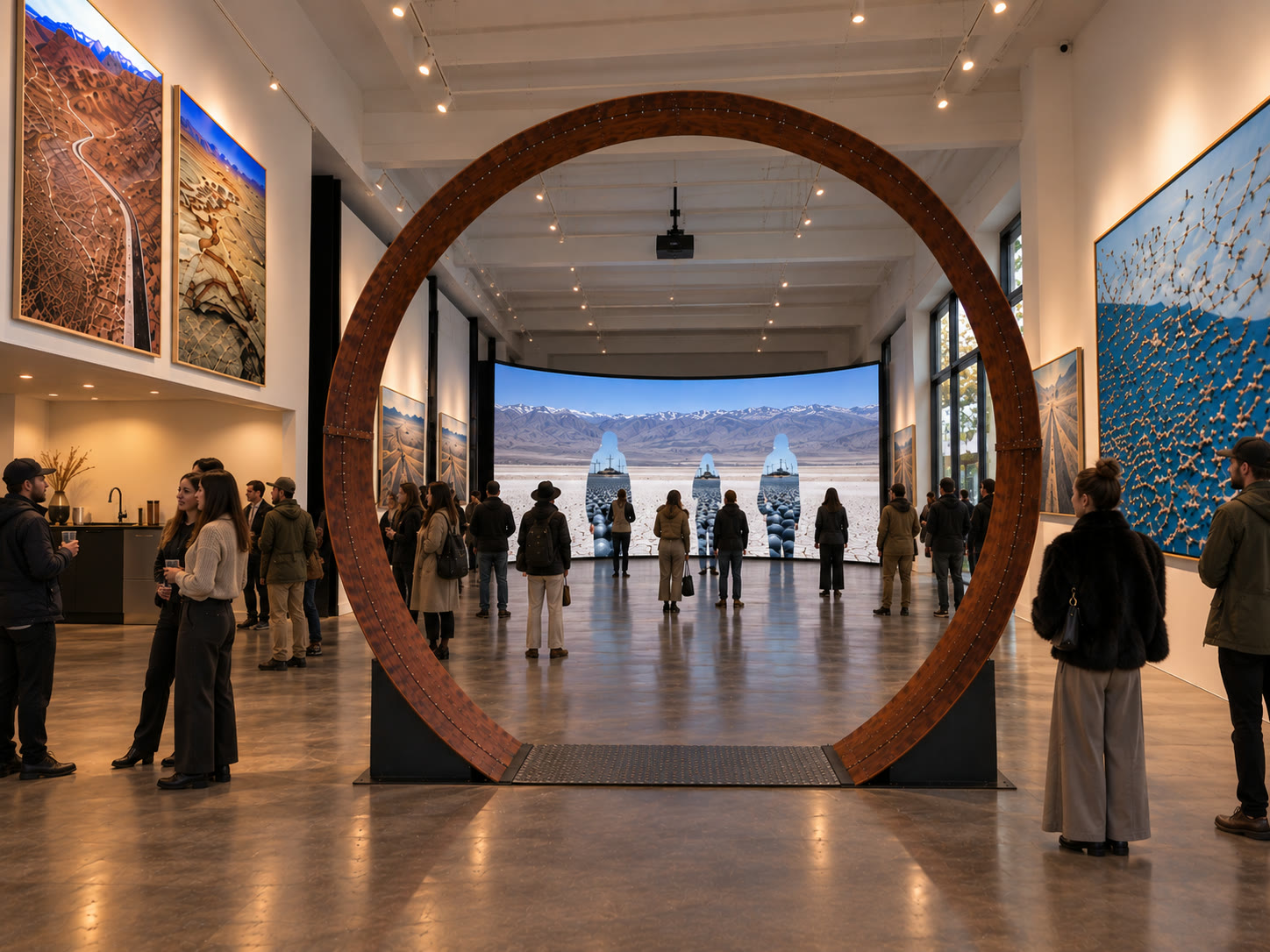
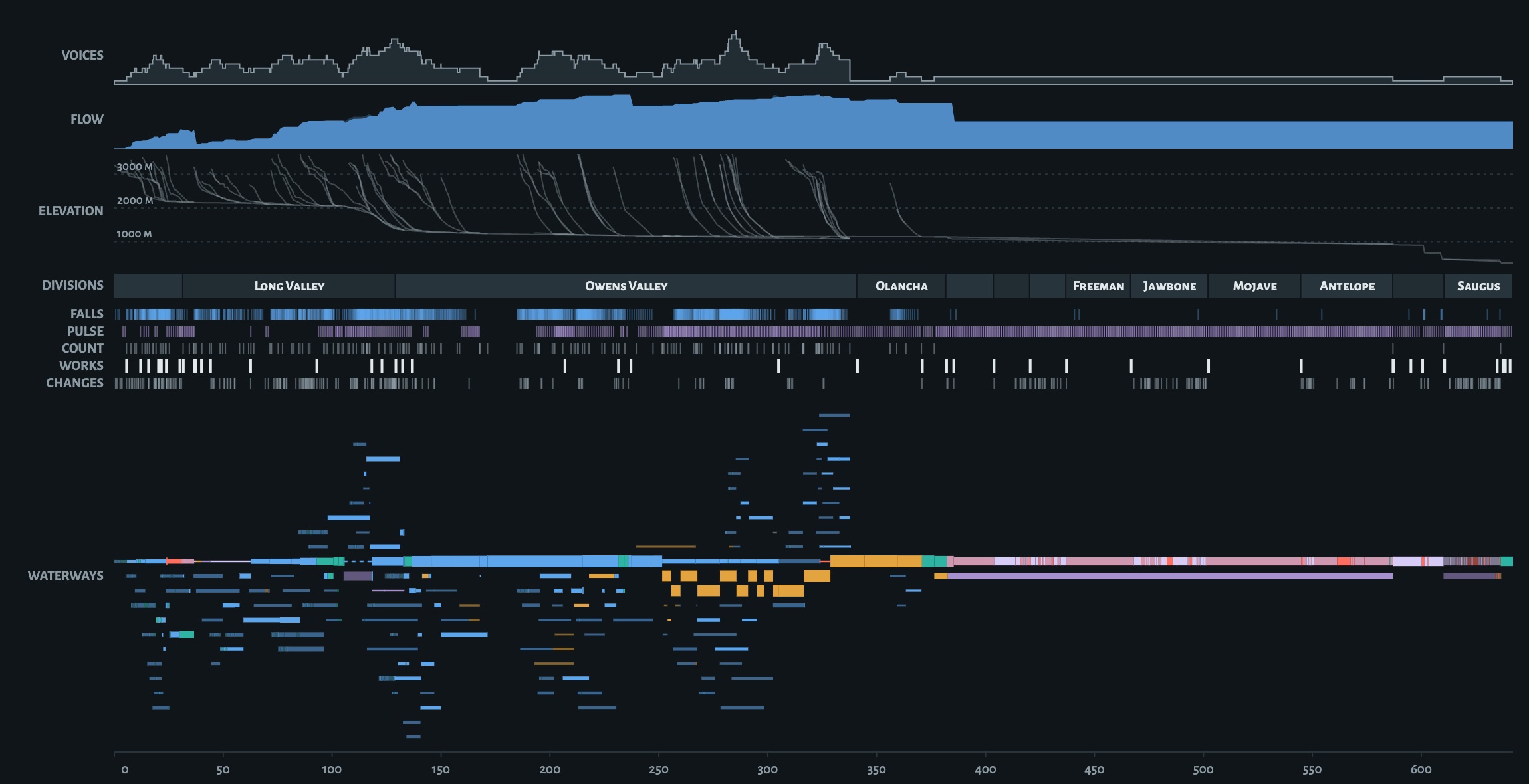
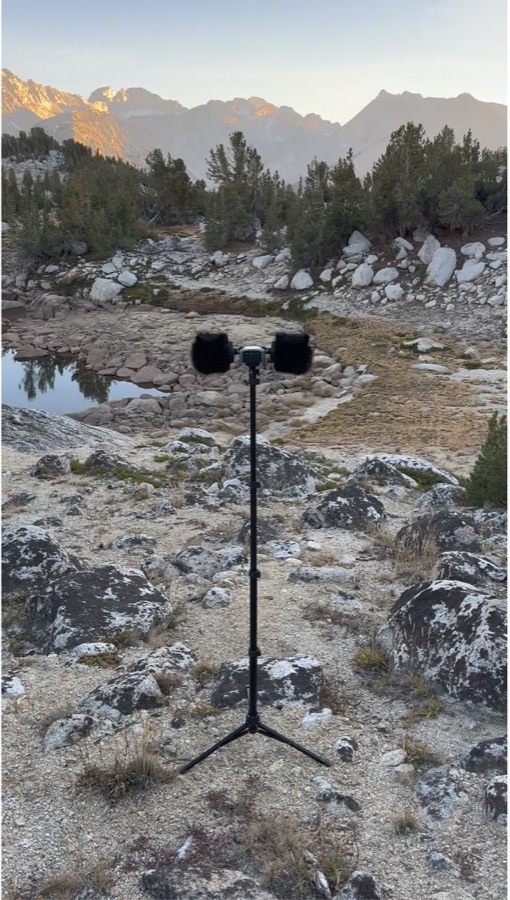
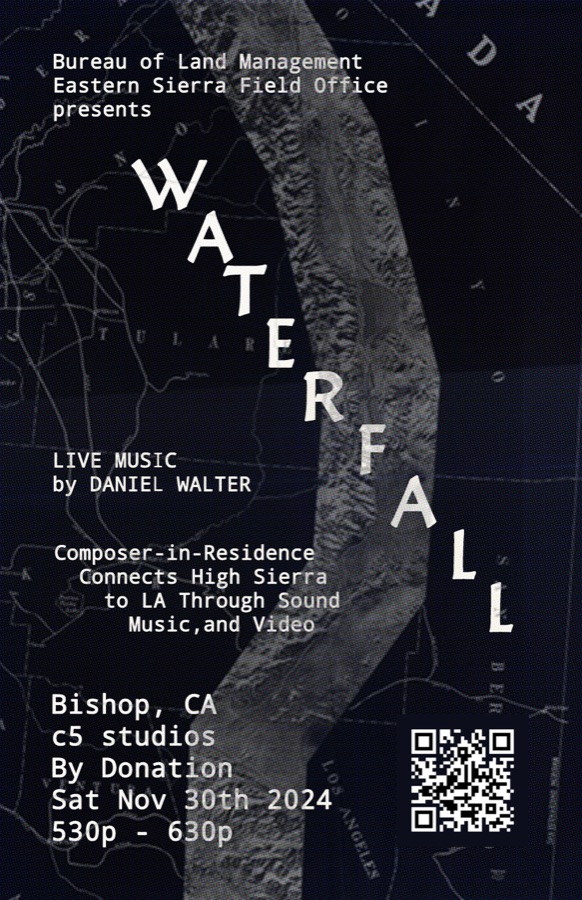
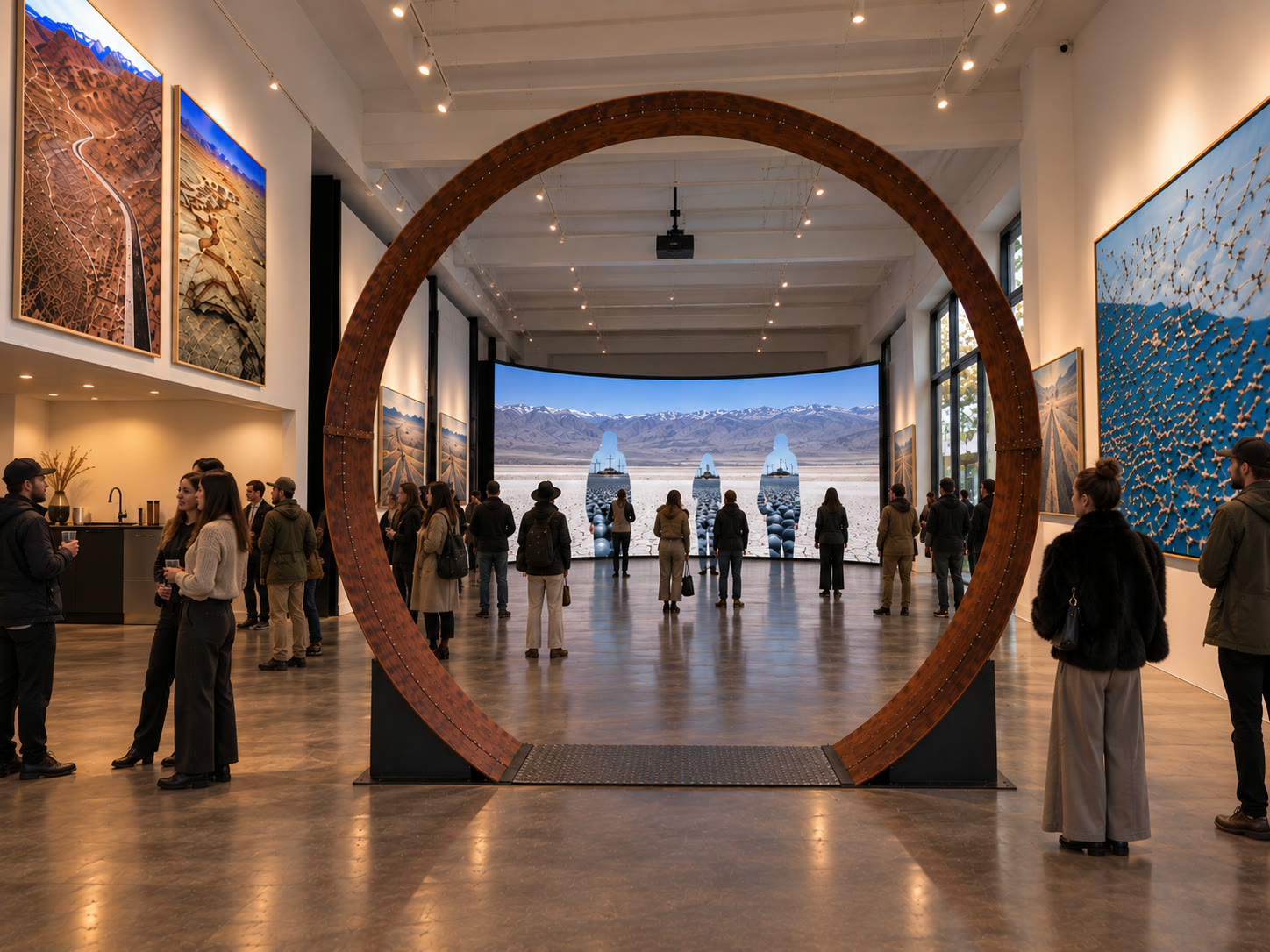
What exists now is, to borrow artist Lauren Bon’s phrase, a cyborg watershed: more than 3,000 square miles shaped by human management and by economies built on water, tourism, agriculture, and mining. I spent my residency following the water from its High Sierra headwaters through the reservoirs, down the aqueduct to Los Angeles, and finally to the ocean as treated wastewater, recording sound and video and composing as I went. The result is Waterfall, a multimedia project first workshopped at C5 Studios in Bishop. It will now be unveiled as an installation at Wind Drift Studios in collaboration with local artists, along with a soundwalk on local trails.
There is a wave of creative ferment in the Eastern Sierra, and I hope this project can gather our most gifted storytellers around the question of where our resources come from, and how even the most remote places are only a faucet away.
 SCROLL DOWN